
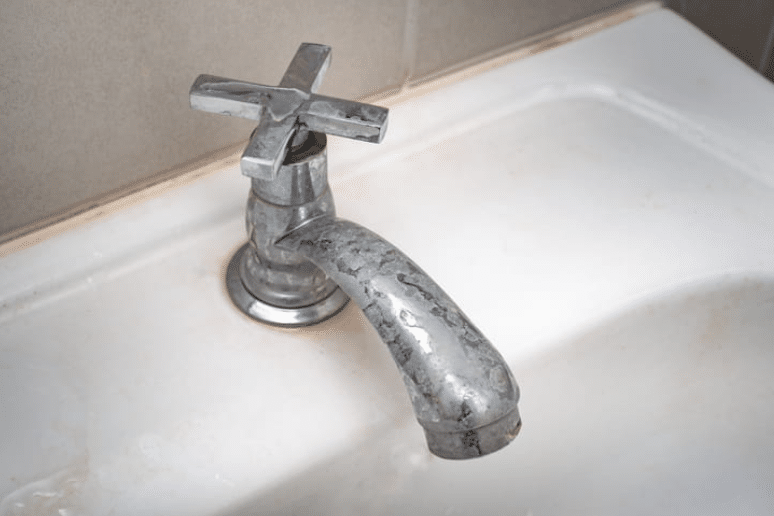
Plumbing systems are essential. A healthy plumbing system in your home enables you to handle your personal care needs, access safe drinking water, do your laundry, and more. However, an unhealthy plumbing system can turn safe drinking water bitter, generate foul smells, produce mold, cause a sewage backup, and even lead to higher water bills.
Maintaining your plumbing system prevents issues and saves you money in the long run. It’s important to know that hard water is an issue in some regions with higher concentrations of minerals in the water supply.
Since it’s essential to understand threats that can compromise your home’s plumbing, you must know the impact of hard water on plumbing and what you can do to protect your plumbing from hard water problems.
Extremely Hard Water Levels in Las Vegas
One of the hardest sources of municipal water is found in the Las Vegas hard water system, where water typically has hardness levels of about 16 to 18 grains per gallon (gpg), according to official consumer confidence reports from the Las Vegas Valley Water District.
This indicates that water in Las Vegas belongs to the category of very hard water, as defined by the United States Geological Survey, to be water that exceeds 180 mg/liter (≈10.5 gpg).
The average water hardness level in the United States falls in the range of 3 to 7 gpg, indicating that water in Las Vegas is roughly three to four times harder than in many other cities, which accelerates mineral buildup inside pipes, fixtures, and appliances.
As a result, homeowners experience faster scaling, reduced efficiency, and more frequent plumbing issues caused by hard water compared to regions with moderate or soft water.
How the Desert Climate Makes Hard Water Worse
The harsh climate of the desert in Las Vegas has a strong effect on the development of hard water issues. The very high temperatures and low humidity levels help increase the rate of evaporative loss of water, which causes an increased level of dissolved minerals to be left behind. When water evaporates, it leaves dissolved minerals, including calcium and magnesium, to accumulate on the surfaces of pipes, faucets, and appliances.
Due to the rapid rate of evaporation in a dry climate, mineral buildup accumulates much more quickly than in a humid climate. As a result, you can expect to experience faster clogging, slower flow of water, and less efficiency in your appliances.
In other words, it is much easier to develop hard water plumbing problems in Las Vegas because of the hot, dry climate, so it is important to have regular maintenance and take preventive actions.
Is Hard Water Bad for Plumbing?
Hard water contains high levels of minerals. The most common minerals associated with hard water are calcium and magnesium. However, minerals such as iron, aluminum, and zinc can also cause hard water. Hard water then damages plumbing systems, appliances, and clothing.
Hard water can cause several plumbing issues, including the following:
- Clogged faucets
- Clogged pipes
- Clogged shower heads
- Corroded pipes
- Decreased water flow
- Poor water pressure
Corrosion weakens the pipes, and blockages cause water to apply more pressure to them, eventually causing them to burst. Consequently, hard water can eventually lead to leaks and damage to your property.
Can Hard Water Block Drains?
Hard water is hard on plumbing system stems because of how the minerals interact with soap. Combining minerals with soap produces soap scum, which usually appears as a chalky white residue, although it can also be gray. This film solidifies, and when it solidifies in your pipes and plumbing fixtures, it narrows or blocks the openings through which water should flow. Consequently, hard water causes blocked drains and clogged faucets, pipes, and shower heads.
Blocked drains can cause severe damage if they aren’t addressed. A blocked sewer drain can cause various issues, such as preventing toilets from flushing and causing wastewater to return to your home.
How Long Does It Take for Hard Water To Affect Pipes?
Hard water impacts your pipes immediately. From the first time hard water flows through your pipes, it leaves mineral buildup in its wake. Initially, you may notice the scaly residue on your fixtures, without having issues with water pressure or corrosion; however, by the time you notice poor water pressure and reduced water flow, you already have severe buildup in your pipes.
Other Signs of Hard Water
What’s happening inside your plumbing system can be hard to see until it begins to affect you. Still, there are external signs that point to hard water damage.
Some of these signs include the following:
- There are chalky white or gray stains on your plumbing fixtures.
- There’s mineral buildup on your clothes after you wash them.
- You notice mineral residue on floor tiles after you mop them.
- Your dishes have spots on them after they’re washed.
You may also notice signs of hard water in your appliances. Signs of hard water appliance damage include the following:
- Your dishwasher has a chalky residue inside: This residue can clog your dishwasher and damage its components.
- Your washer has damaged drums, hoses, and pipes due to mineral buildup: Mineral deposits clog and destroy washing machine components.
- Your water heater can’t heat water effectively: When mineral sediments build inside a water heater, they prevent effective water flow and make it harder for the heater to raise the water’s temperature. Therefore, mineral buildup in appliances causes breakdowns and reduces their lifespan.
Is There Hard Water in Las Vegas?
Hard water is an issue for Las Vegas residents because the local water ranks second in the United States for hardness.
So, why is Las Vegas water so hard?
It’s due to the mineral-rich water supply sourced from the Colorado River and the surrounding geology. Since the local water supply is hard, Las Vegas residents must take steps to protect their plumbing systems.
Why Hard Water Matters More Than Ever in Las Vegas
1. Rising Utility Costs Are Increasing the Impact of Inefficiency
As water and energy prices continue to climb in Las Vegas, the inefficiencies caused by hard water become more expensive. Scale buildup forces appliances, like water heaters, to work harder, consuming more energy and driving up monthly bills.
2. Drought Conditions Make Water Conservation Critical
With Southern Nevada still facing long-term drought challenges tied to Lake Mead and the Colorado River, minimizing water waste is essential. Hard water contributes to hidden leaks, pipe damage, and inefficient water flow, all of which increase unnecessary water usage.
3. Appliance and Repair Costs Are Rising
Replacing water heaters and plumbing components has become more expensive in recent years. Hard water accelerates wear and tear, meaning homeowners may face more frequent repairs or early replacements, adding high long-term costs.
How Do I Protect My Plumbing From Hard Water?
The steps required to protect your plumbing depend on the existing damage level. Suppose you move into a new home with a new plumbing system. You can prevent damage by installing a water-softening system in your home.
Suppose you live in an older home with mineral buildup in the plumbing system. Your Las Vegas plumber can address hard water damage by cleaning your drains, checking for pipe corrosion and leaks, and repairing or replacing your water heater.
Larkin Plumbing Can Help With Hard Water Damage
Turn to Larkin Plumbing for affordable plumbing services. Our expert hard water plumbers in Las Vegas can evaluate your plumbing system, identify issues, repair existing damage, and take preventative measures to protect it.
This will help you save money on your water bills, appliances, and clothes, and prevent plumbing emergencies from hard water damage.